
Rosemary (Rosmarinus officinalis) stands as one of nature’s most revered herbs, with its distinctive pine-like aroma and needle-like leaves that have graced kitchens, apothecaries, and gardens for millennia. This woody perennial herb, whose name derives from the Latin “ros marinus” meaning “dew of the sea,” has earned its place as both a culinary cornerstone and medicinal marvel.
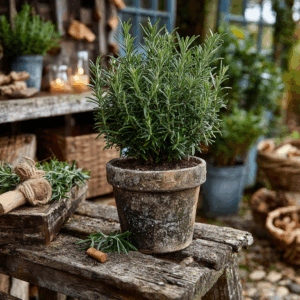
What is Rosemary?
Rosemary is an aromatic evergreen shrub belonging to the Lamiaceae (mint) family, native to the Mediterranean region. This hardy plant can grow up to 4-6 feet tall, featuring:
- Narrow, needle-like dark green leaves with a silvery-white underside
- Small blue, purple, pink, or white flowers that bloom in spring and summer
- Woody stems that become increasingly robust with age
- A powerful, camphor-like fragrance that intensifies when leaves are crushed
The plant’s essential oils contain over 200 identified compounds, making it one of the most chemically complex herbs in the plant kingdom. Its resilience in harsh Mediterranean conditions—drought, poor soil, and coastal winds—has made it a symbol of remembrance, loyalty, and endurance across cultures.

Chemical Composition and Active Compounds
Rosemary’s therapeutic power lies in its rich biochemical profile:
Primary Essential Oil Components:
- 1,8-Cineole (eucalyptol): 15-30% – Anti-inflammatory and respiratory benefits
- Camphor: 10-20% – Stimulating and analgesic properties
- α-Pinene: 8-15% – Antimicrobial and bronchodilator effects
- Bornyl acetate: 5-12% – Calming and anti-inflammatory
- Camphene: 3-8% – Antioxidant properties
Phenolic Compounds:
- Carnosic acid: Powerful antioxidant and neuroprotective agent
- Rosmarinic acid: Anti-inflammatory and antimicrobial properties
- Carnosol: Anti-cancer and anti-inflammatory compound
Other Beneficial Components:
- Ursolic acid (anti-inflammatory, muscle-building)
- Oleanolic acid (liver-protective)
- Flavonoids (quercetin, apigenin)
- Vitamins A, C, and B-complex
- Minerals: iron, calcium, magnesium, potassium

Historical and Cultural Significance
Ancient Civilizations
Ancient Greece and Rome:
- Greeks crowned scholars with rosemary wreaths for remembrance
- Romans used it in weddings as a symbol of fidelity
- Associated with the goddess Aphrodite
- Students wore rosemary garlands during exams
Medieval Europe:
- Burned to purify the air during plagues
- Used in weddings and funerals
- Believed to ward off evil spirits
- Placed under pillows for prophetic dreams
Traditional Medicine:
- Ayurveda: Used for respiratory issues and digestive problems
- Traditional Chinese Medicine: Employed for headaches and menstrual regulation
- European Folk Medicine: Applied for memory enhancement and circulation

Health Benefits and Therapeutic Uses
Cognitive Enhancement and Memory
Rosemary has earned the title “herb of remembrance” through both folklore and scientific validation:
- Memory Improvement: Studies show rosemary extract can enhance concentration and mental clarity by up to 15%
- Neuroprotection: Carnosic acid protects brain cells from oxidative damage
- Alzheimer’s Prevention: May help prevent neurodegenerative diseases
- Mental Fatigue Relief: Aroma
- therapy with rosemary essential oil reduces mental exhaustion

Digestive Health
Traditional use and modern research support rosemary’s digestive benefits:
- Bile Stimulation: Promotes healthy digestion and fat metabolism
- Antispasmodic: Relieves stomach cramps and intestinal spasms
- Antimicrobial: Combats harmful gut bacteria
- Liver Support: Protects liver cells and promotes detoxification

Anti-inflammatory and Pain Relief
Rosemary’s potent anti-inflammatory properties make it valuable for:
- Arthritis Management: Reduces joint pain and stiffness
- Muscle Pain: Topical application relieves sore muscles
- Headache Relief: Aromatherapy reduces tension headaches
- Menstrual Pain: Traditional remedy for menstrual cramping

Respiratory Health
The herb’s expectorant and antimicrobial properties benefit:
- Cough Relief: Breaks up mucus and soothes throat irritation
- Asthma Support: Bronchodilator effects may improve breathing
- Sinus Congestion: Clears nasal passages
- Respiratory Infections: Antimicrobial properties fight infections

Cardiovascular Health
Emerging research suggests cardiovascular benefits:
- Blood Pressure: May help regulate blood pressure
- Circulation: Improves blood flow to extremities
- Cholesterol Management: May reduce LDL cholesterol oxidation

Antioxidant and Anti-aging Properties
Rosemary’s powerful antioxidants provide:
- Cellular Protection: Neutralizes free radicals that cause aging
- Skin Health: Protects against UV damage and premature aging
- Immune Support: Strengthens immune system function
- Cancer Prevention: Laboratory studies show anti-cancer properties

Hair and Skin Care
Traditional and modern applications include:
- Hair Growth: Stimulates circulation to scalp, promoting hair growth
- Dandruff Treatment: Antifungal properties combat scalp issues
- Skin Healing: Wound healing and anti-inflammatory effects
- Anti-aging: Antioxidants reduce appearance of fine lines

When NOT to Take Rosemary
While generally safe for culinary use, rosemary requires caution in certain circumstances:

Pregnancy and Breastfeeding
- Pregnancy: High doses may stimulate menstruation and potentially cause miscarriage
- Breastfeeding: Large medicinal amounts should be avoided
- Note: Normal culinary amounts are generally safe

Medical Conditions
- High Blood Pressure: Large amounts may increase blood pressure
- Epilepsy: May trigger seizures in sensitive individuals
- Bleeding Disorders: May interfere with blood clotting
- Liver Disease: High doses could stress liver function

Medication Interactions
Rosemary may interact with:
- Blood Thinners: (Warfarin, aspirin) – Increased bleeding risk
- Diuretics: May enhance potassium loss
- ACE Inhibitors: Potential blood pressure effects
- Diabetes Medications: May lower blood sugar excessively
- Seizure Medications: Possible interference with effectiveness

Some individuals may experience:
- Skin irritation from topical use
- Allergic contact dermatitis
- Respiratory irritation from strong aromas
- Gastrointestinal upset from large amounts
Growing Rosemary at Home
Climate Requirements
Rosemary thrives in Mediterranean-like conditions:
- Hardiness Zones: 7-10 (USDA zones)
- Temperature: Prefers 60-70°F, tolerates light frost
- Sunlight: Full sun (6-8 hours daily)
- Humidity: Low to moderate humidity preferred
Soil Preferences
- pH Level: 6.0-7.5 (slightly acidic to neutral)
- Drainage: Well-draining soil is crucial
- Soil Type: Sandy or loamy soil preferred
- Nutrients: Low to moderate fertility; too rich soil reduces oil content
Planting Methods
From Seeds
- Timing: Start indoors 8-10 weeks before last frost
- Germination: 14-21 days at 70°F
- Depth: Surface sow; light aids germination
- Care: Keep soil consistently moist but not waterlogged
From Cuttings
- Timing: Spring or early summer
- Selection: 4-inch semi-hardwood cuttings
- Preparation: Remove lower leaves, dip in rooting hormone
- Rooting: Place in well-draining soil; roots in 3-4 weeks
From Nursery Plants
- Timing: Spring after frost danger passes
- Spacing: 2-3 feet apart for mature plants
- Planting Depth: Same depth as nursery pot
- Watering: Water thoroughly after planting
Care and Maintenance
Watering
- Establishment: Regular watering first growing season
- Mature Plants: Drought-tolerant; water deeply but infrequently
- Frequency: Every 1-2 weeks depending on rainfall
- Signs: Wilting leaves indicate need for water
Pruning
- Timing: Early spring before new growth
- Method: Cut back by one-third annually
- Purpose: Maintains shape, encourages bushiness
- Harvesting: Prune for culinary use throughout growing season
Fertilizing
- Frequency: Light feeding in spring
- Type: Balanced, slow-release fertilizer
- Organic Options: Compost or aged manure
- Caution: Over-fertilizing reduces essential oil concentration
Container Growing
Rosemary excels in containers:
- Pot Size: 12-16 inch diameter for mature plants
- Drainage: Essential; use pots with drainage holes
- Soil: Well-draining potting mix
- Winter Care: Move indoors in cold climates
Pest and Disease Management
Common Pests
- Spider Mites: Control with neem oil or insecticidal soap
- Whiteflies: Yellow sticky traps effective
- Aphids: Blast with water or use beneficial insects
- Scale: Remove manually or use horticultural oil
Disease Prevention
- Root Rot: Ensure proper drainage; avoid overwatering
- Powdery Mildew: Improve air circulation
- Fungal Issues: Avoid overhead watering
- Prevention: Space plants properly for air flow
Harvesting and Storage
Harvesting
- Timing: Best harvested in morning after dew dries
- Frequency: Harvest regularly to encourage growth
- Amount: Never remove more than one-third of plant
- Method: Cut stems just above leaf nodes
Fresh Storage
- Refrigerator: Wrap in damp paper towel, store in plastic bag
- Water Method: Place stems in water like cut flowers
- Duration: Fresh rosemary lasts 1-2 weeks properly stored
Drying
- Air Drying: Bundle stems, hang upside down in dry, ventilated area
- Oven Drying: 170°F for 2-4 hours
- Dehydrator: 95-115°F until crisp
- Storage: Airtight containers away from light
Freezing
- Method: Chop and freeze in ice cube trays with water or oil
- Alternative: Freeze whole sprigs in freezer bags
- Duration: Up to 6 months
Culinary Applications
Cooking with Fresh Rosemary
- Meat Pairings: Lamb, pork, chicken, and beef
- Vegetable Enhancement: Potatoes, carrots, beans, and squash
- Bread Making: Focaccia and herb breads
- Infused Oils: Rosemary olive oil for cooking and dressings
Cooking with Dried Rosemary
- Longer Cooking: Better for slow-cooked dishes
- Concentration: More potent than fresh; use sparingly
- Storage Life: Longer shelf life than fresh
- Seasoning Blends: Essential in herb blends and rubs
Popular Recipes
Roasted Rosemary Potatoes
- Quarter small potatoes
- Toss with olive oil, fresh rosemary, salt, and pepper
- Roast at 425°F for 25-30 minutes
Rosemary Focaccia
- Prepare basic focaccia dough
- Press into oiled pan, dimple with fingers
- Drizzle with olive oil, sprinkle fresh rosemary
- Bake at 425°F for 20-25 minutes
Herb-Crusted Lamb
- Mix chopped rosemary with garlic, salt, and olive oil
- Rub over lamb chops
- Let marinate 30 minutes
- Grill or pan-sear to desired doneness
Medicinal Preparations
Herbal Teas
Simple Rosemary Tea:
- 1-2 tsp fresh or ½ tsp dried rosemary
- Pour 1 cup boiling water over herbs
- Steep 5-10 minutes
- Strain and sweeten if desired
Tinctures
Preparation:
- Fill jar with fresh rosemary
- Cover with vodka or glycerin
- Store 2-4 weeks, shaking daily
- Strain and store in dark glass bottles
Essential Oil Applications
Aromatherapy:
- Diffuser use for mental clarity
- Steam inhalation for respiratory support
- Topical application (diluted) for muscle pain
Topical Preparations
Rosemary Oil for Hair:
- 2-3 drops rosemary essential oil
- Mix with carrier oil (jojoba or coconut)
- Massage into scalp weekly
Modern Research and Scientific Validation
Cognitive Function Studies
Recent research has confirmed traditional uses:
- Memory Enhancement: Studies show 15% improvement in cognitive performance
- Neuroprotection: Carnosic acid protects against neurodegeneration
- Attention Span: Aromatherapy improves focus and concentration
Anti-inflammatory Research
Scientific validation of traditional anti-inflammatory uses:
- COX-2 Inhibition: Natural anti-inflammatory mechanism
- Joint Health: Reduced inflammation markers in arthritis studies
- Cardiovascular Protection: Anti-inflammatory effects on blood vessels
Antimicrobial Properties
Laboratory studies demonstrate:
- Antibacterial Activity: Effective against various pathogenic bacteria
- Antifungal Properties: Combats common fungal infections
- Food Preservation: Natural antimicrobial food additive
Sustainability and Environmental Benefits
Garden Benefits
Rosemary contributes to sustainable gardening:
- Drought Tolerance: Reduces water consumption
- Pollinator Support: Attracts bees and beneficial insects
- Deer Resistance: Natural pest deterrent
- Soil Erosion: Deep roots prevent soil loss
Companion Planting
Rosemary benefits neighboring plants:
- Cabbage Family: Repels cabbage moths
- Carrots: Deters carrot rust flies
- Beans: Improves growth and flavor
- Sage: Compatible companion with similar needs
Varieties and Cultivars
Popular Cultivars
- ‘Tuscan Blue’: Large, upright growth with intense flavor
- ‘Arp’: Cold-hardy variety for northern climates
- ‘Prostratus’: Trailing form ideal for ground cover
- ‘Blue Spires’: Compact with deep blue flowers
- ‘Golden Rain’: Variegated leaves with golden margins
Size Variations
- Upright Types: 3-6 feet tall
- Dwarf Varieties: 1-2 feet for containers
- Creeping Types: Ground cover varieties
- Standard Forms: Tree-like specimens
Troubleshooting Common Issues
Growing Problems
Yellowing Leaves:
- Overwatering or poor drainage
- Nutrient deficiency
- Root rot
Leggy Growth:
- Insufficient sunlight
- Lack of pruning
- Rich soil promoting leaf growth over oil production
Poor Flavor:
- Over-fertilization
- Insufficient sunlight
- Harvesting at wrong time
Storage Issues
Mold Development:
- Excess moisture during storage
- Poor air circulation
- Inadequate drying before storage
Conclusion
Rosemary stands as a testament to the enduring relationship between humans and healing plants. From its ancient roots in Mediterranean culture to its modern applications in medicine and cuisine, this remarkable herb continues to offer both practical benefits and symbolic meaning.
Whether you’re cultivating it in your garden, using it to enhance your cooking, or exploring its therapeutic potential, rosemary represents the perfect intersection of beauty, utility, and wellness. Its resilience mirrors its benefits—strong, enduring, and capable of thriving in challenging conditions while providing sustenance and healing to those who care for it.
As we continue to rediscover the wisdom of traditional herbal medicine through modern scientific validation, rosemary serves as a reminder that some of our most powerful allies in health and wellness have been growing in our gardens all along. Its crown-like appearance and memory-enhancing properties make it not just a herb, but a symbol of wisdom, remembrance, and the enduring connection between nature and human well-being.
By understanding how to grow, use, and respect this remarkable plant, we honor both the ancient traditions that first recognized its value and the ongoing research that continues to reveal its potential. Rosemary truly deserves its crown as one of nature’s most versatile and valuable gifts to humanity.