
As we age, our eyes undergo natural changes that can affect vision quality. While some age-related vision changes are inevitable, there are numerous natural remedies and lifestyle approaches that can help maintain and potentially improve eye health in elderly individuals. This comprehensive guide explores evidence-based natural methods to support healthy vision.
Understanding Age-Related Vision Changes
Before diving into natural remedies, it’s important to understand common age-related eye conditions:
- Presbyopia – Difficulty focusing on close objects
- Cataracts – Clouding of the lens
- Macular degeneration – Deterioration of central vision
- Glaucoma – Increased eye pressure damaging the optic nerve
- Dry eye syndrome – Reduced tear production
While natural remedies cannot cure serious eye diseases, they can support overall eye health and potentially slow the progression of some conditions.
Nutritional Approaches for Eye Health
Key Eye-Healthy Nutrients
1. Vitamin A and Beta-Carotene
- Essential for night vision and overall eye health
- Found in: Carrots, sweet potatoes, spinach, kale, butternut squash
- Recommended daily intake: 700-900 mcg for adults
2. Lutein and Zeaxanthin
- Powerful antioxidants that protect the macula
- Found in: Leafy greens (kale, spinach), corn, eggs, orange peppers
- Recommended daily intake: 10-20 mg combined
3. Omega-3 Fatty Acids
- Support retinal health and reduce dry eye symptoms
- Found in: Fatty fish (salmon, sardines), walnuts, flaxseeds, chia seeds
- Recommended weekly intake: 2-3 servings of fatty fish
4. Vitamin C
- Antioxidant that may reduce cataract risk
- Found in: Citrus fruits, strawberries, bell peppers, broccoli
- Recommended daily intake: 75-90 mg
5. Vitamin E
- Protects eye cells from free radical damage
- Found in: Nuts, seeds, vegetable oils, leafy greens
- Recommended daily intake: 15 mg
6. Zinc
- Helps transport vitamin A from liver to retina
- Found in: Oysters, beef, pumpkin seeds, lentils
- Recommended daily intake: 8-11 mg
Specific Foods for Eye Health
Dark Leafy Greens
Spinach, kale, collard greens, and Swiss chard are rich in lutein, zeaxanthin, and other eye-protective compounds. Aim for 2-3 servings per week.
Colorful Fruits and Vegetables
- Blueberries and blackberries: High in anthocyanins
- Oranges and grapefruits: Rich in vitamin C
- Bell peppers: Excellent source of vitamin C and carotenoids
- Carrots: High in beta-carotene
Nuts and Seeds
Almonds, walnuts, sunflower seeds, and pumpkin seeds provide vitamin E, zinc, and healthy fats essential for eye health.
Fatty Fish
Salmon, mackerel, sardines, and tuna supply omega-3 fatty acids crucial for retinal health.
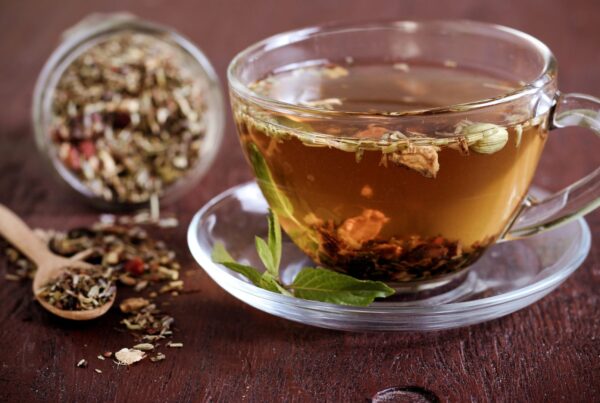
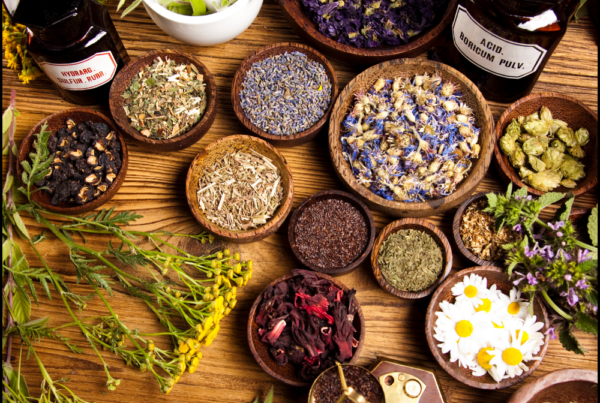
Herbal Remedies and Supplements
Bilberry
- Contains anthocyanins that may improve night vision
- Traditional remedy for eye health
- Typical dosage: 160-320 mg daily
Ginkgo Biloba
- May improve blood flow to the eyes
- Contains antioxidants that protect eye tissues
- Typical dosage: 120-240 mg daily
Eyebright (Euphrasia)
- Traditional herb for eye health
- May help with eye irritation and inflammation
- Typically used as tea or tincture
Important Note: Always consult with a healthcare provider before starting any herbal supplements, especially if you take medications or have existing health conditions.
Lifestyle Practices for Better Vision
Eye Exercises
Regular eye exercises can help maintain flexibility of eye muscles:
1. Palming
- Rub hands together to warm them
- Place palms over closed eyes without pressing
- Relax for 5-10 minutes
2. Focus Shifting
- Hold a finger at arm’s length
- Focus on the finger, then shift focus to a distant object
- Repeat 10-15 times
3. Eye Rolling
- Look up, then slowly roll eyes in a circular motion
- Repeat 5-10 times in each direction
Proper Lighting
- Ensure adequate lighting when reading or doing close work
- Use warm, soft lighting to reduce glare
- Consider task lighting for specific activities
Screen Time Management
- Follow the 20-20-20 rule: Every 20 minutes, look at something 20 feet away for 20 seconds
- Adjust screen brightness and contrast
- Use blue light filters, especially in the evening
Regular Physical Activity
Exercise improves blood circulation, including to the eyes:
- Aim for 150 minutes of moderate exercise weekly
- Include activities that get your heart rate up
- Walking, swimming, and cycling are excellent choices
Hydration and Eye Health
Proper hydration is crucial for maintaining healthy tears and preventing dry eyes:
- Drink 8-10 glasses of water daily
- Include hydrating foods like cucumbers, watermelon, and oranges
- Limit dehydrating substances like excessive caffeine and alcohol
Sleep and Eye Health
Quality sleep allows eyes to rest and recover:
- Aim for 7-9 hours of sleep nightly
- Keep eyes closed during sleep to prevent dryness
- Use a humidifier in bedrooms to maintain moisture
Natural Eye Care Practices
Warm Compresses
- Apply warm, damp cloth to closed eyes for 5-10 minutes
- Helps with dry eyes and promotes circulation
- Use 2-3 times daily as needed
Cold Compresses
- Reduce puffiness and inflammation
- Use cold cucumber slices or cold cloth
- Apply for 10-15 minutes
Proper Eye Hygiene
- Avoid rubbing eyes with dirty hands
- Clean eyelids gently with warm water
- Remove makeup thoroughly before bed
Environmental Considerations
Air Quality
- Use air purifiers to reduce allergens and irritants
- Maintain proper humidity levels (30-50%)
- Avoid smoking and secondhand smoke
Protective Measures
- Wear sunglasses with UV protection outdoors
- Use protective eyewear during activities that pose eye risks
- Consider blue light blocking glasses for computer use
Mind-Body Connection
Stress Management
Chronic stress can negatively impact eye health:
- Practice meditation or deep breathing exercises
- Engage in relaxing activities like reading or listening to music
- Consider yoga or tai chi for overall wellness
Mental Stimulation
Keep the brain active to support visual processing:
- Read regularly
- Do puzzles and brain games
- Learn new skills or hobbies
When to Seek Professional Help
While natural remedies can support eye health, it’s crucial to maintain regular eye exams and seek professional care when:
- Experiencing sudden vision changes
- Having persistent eye pain or discomfort
- Noticing floaters or flashes of light
- Experiencing significant vision loss
- Having a family history of eye diseases
Creating a Comprehensive Eye Health Plan
Daily Habits
- Include eye-healthy foods in every meal
- Stay properly hydrated
- Take regular breaks from screens
- Perform simple eye exercises
- Ensure adequate lighting for activities
Weekly Practices
- Prepare meals with colorful fruits and vegetables
- Engage in physical activity 3-5 times per week
- Practice stress-reduction techniques
- Clean and care for contact lenses properly (if applicable)
Monthly Check-ins
- Assess vision changes
- Review dietary habits and make adjustments
- Evaluate exercise routine
- Monitor any eye symptoms
Prevention Over Treatment
The most effective approach to maintaining good vision is prevention:
- Start healthy habits early
- Maintain consistent routines
- Stay informed about eye health
- Don’t wait for problems to develop
Conclusion
While natural remedies cannot replace medical treatment for serious eye conditions, they can play a significant role in supporting overall eye health and potentially slowing the progression of age-related vision changes. A combination of proper nutrition, lifestyle modifications, and regular eye care can help elderly individuals maintain better vision and eye health.
Remember that individual results may vary, and it’s essential to work with healthcare providers to develop a comprehensive approach to eye health. Natural remedies should complement, not replace, professional medical care.
By incorporating these natural strategies into daily life, elderly individuals can take proactive steps toward maintaining their precious gift of sight and enjoying a better quality of life.
Disclaimer: This article is for informational purposes only and should not replace professional medical advice. Always consult with an eye care professional or healthcare provider before making significant changes to your health routine, especially if you have existing eye conditions or take medications.