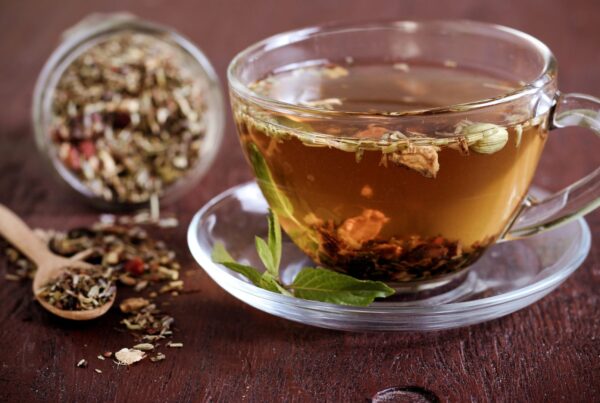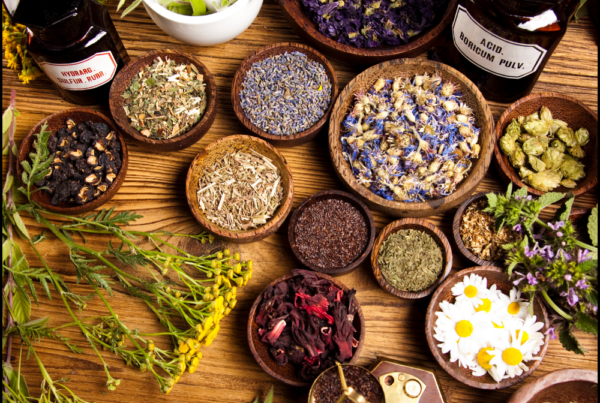


As we age, our bodies undergo natural changes that can lead to various health challenges. While modern medicine plays a crucial role in care of older people, natural herbal remedies have been used for centuries to support healthy aging and address common age-related conditions. This comprehensive guide explores how natural remedies for older people help them better their everyday life.
Understanding Age-Related Health Challenges
Older individuals commonly face a range of health issues including cardiovascular problems, joint pain, cognitive decline, sleep disturbances, digestive issues, and weakened immune function. While these conditions require proper medical supervision, certain herbs have shown promising results in supporting overall health and well-being.

Cardiovascular Health Support
Hawthorn (Crataegus)
Hawthorn has been traditionally used to support heart health and has gained recognition in modern herbal medicine for its cardiovascular benefits.
Benefits:
- Strengthens heart muscle contractions
- Improves blood flow to the heart
- May help regulate blood pressure
- Supports healthy cholesterol levels
Usage: 300-1800mg of standardized extract daily, or 1-2 teaspoons of tincture three times daily
Scientific Support: Studies have shown hawthorn’s effectiveness in managing mild to moderate heart failure symptoms and improving exercise tolerance.
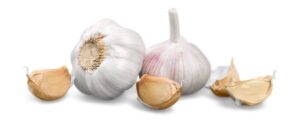
Garlic (Allium sativum)
Beyond its culinary uses, garlic has been extensively studied for cardiovascular benefits.
Benefits:
- Natural blood pressure support
- Cholesterol management
- Anti-inflammatory properties
- Blood circulation enhancement
Usage: 2-4 fresh cloves daily, or 600-900mg of aged garlic extract
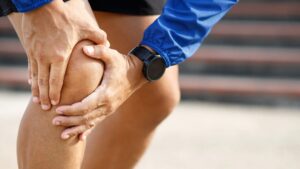
Joint Health and Mobility
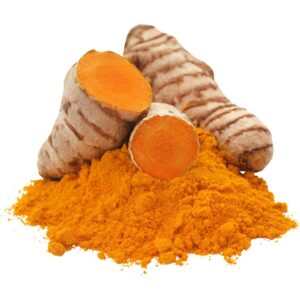
Turmeric (Curcuma longa)
Turmeric contains curcumin, a powerful anti-inflammatory compound that has been extensively researched for joint health.
Benefits:
- Reduces joint inflammation and pain
- Supports cartilage health
- Natural alternative to NSAIDs
- Antioxidant protection
Usage: 500-1000mg of curcumin with black pepper for enhanced absorption
Enhancement Tip: Combine with ginger for synergistic anti-inflammatory effects.
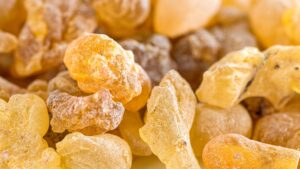
Boswellia (Boswellia serrata)
Also known as frankincense, boswellia has been used in Ayurvedic medicine for centuries.
Benefits:
- Reduces joint stiffness
- Supports connective tissue health
- Anti-inflammatory action
- May slow cartilage deterioration
Usage: 300-400mg of standardized extract three times daily

Cognitive Health and Memory
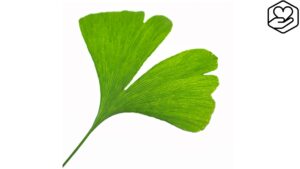
Ginkgo Biloba
One of the most well-researched herbs for cognitive function, ginkgo has been used for thousands of years.
Benefits:
- Improves blood flow to the brain
- Enhances memory and concentration
- Supports mental clarity
- May slow age-related cognitive decline
Usage: 120-240mg of standardized extract daily, divided into two doses
Important Note: Consult healthcare providers before use if taking blood thinners.
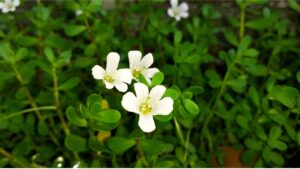
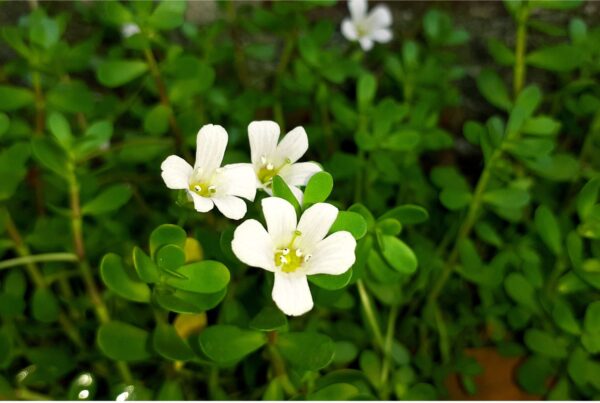
Bacopa Monnieri
Traditional Ayurvedic herb known as “Brahmi” for enhancing memory and learning.
Benefits:
- Improves memory formation
- Reduces anxiety and stress
- Supports neurotransmitter function
- Enhances cognitive processing speed
Usage: 300-600mg of standardized extract daily

Sleep and Relaxation
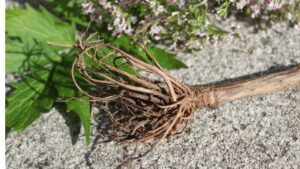
Valerian Root (Valeriana officinalis)
A gentle sedative herb that has been used for sleep support for centuries.
Benefits:
- Promotes natural sleep onset
- Improves sleep quality
- Reduces sleep disturbances
- Non-habit forming when used appropriately
Usage: 300-600mg of extract 30-60 minutes before bedtime
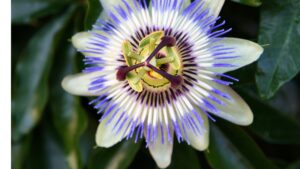
Passionflower (Passiflora incarnata)
Traditional Native American remedy for anxiety and restlessness.
Benefits:
- Reduces anxiety and nervous tension
- Promotes relaxation
- Supports healthy sleep patterns
- Calms racing thoughts
Usage: 200-400mg of extract or 1-2 teaspoons of tincture before bed
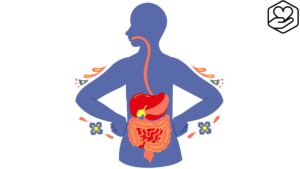
Digestive Health Support
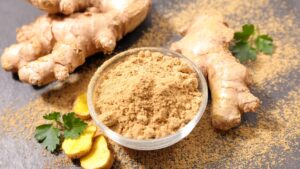
Ginger (Zingiber officinale)
Versatile herb with powerful digestive and anti-inflammatory properties.
Benefits:
- Reduces nausea and motion sickness
- Supports healthy digestion
- Anti-inflammatory effects
- Stimulates digestive enzymes
Usage: 1-2 grams of fresh ginger daily, or 250-500mg of extract
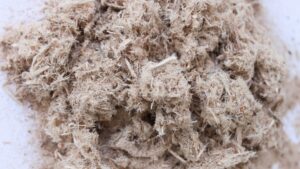
Slippery Elm (Ulmus rubra)
Demulcent herb that soothes digestive tract irritation.
Benefits:
- Soothes irritated digestive lining
- Supports healthy bowel movements
- Reduces digestive discomfort
- Natural fiber source
Usage: 400-800mg of powdered bark or 1-2 teaspoons of tincture

Immune System Support
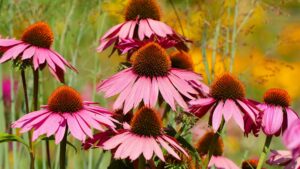
Echinacea (Echinacea purpurea)
Well-known immune supporting herb with extensive research backing.
Benefits:
- Enhances immune cell activity
- May reduce duration of colds
- Supports respiratory health
- Anti-inflammatory properties
Usage: 300-500mg three times daily at first sign of illness
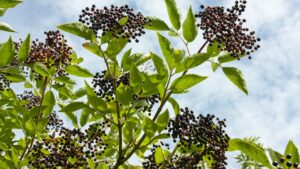
Elderberry (Sambucus nigra)
Traditional European remedy for immune support and respiratory health.
Benefits:
- Rich in antioxidants and vitamin C
- May reduce cold and flu duration
- Supports healthy inflammatory response
- Natural antiviral properties
Usage: 500-1000mg daily during illness, or 1-2 teaspoons of syrup

Bone Health and Osteoporosis Prevention
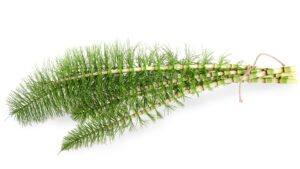
Horsetail (Equisetum arvense)
Rich in silica, essential for bone and connective tissue health.
Benefits:
- Supports bone density
- Strengthens connective tissues
- Promotes healthy hair and nails
- Natural diuretic properties
Usage: 300-900mg of standardized extract daily
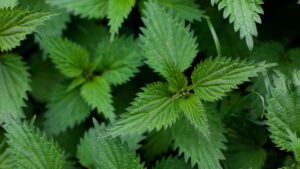
Nettle (Urtica dioica)
Nutrient-dense herb containing calcium, magnesium, and other bone-supporting minerals.
Benefits:
- Rich in bone-building nutrients
- Anti-inflammatory properties
- Supports kidney health
- Natural mineral supplementation
Usage: 300-600mg of freeze-dried nettle or 1-2 teaspoons of tincture
Safety Considerations and Important Guidelines
Consultation with Healthcare Providers
Before starting any herbal regimen, older individuals should:
- Consult with their primary healthcare provider
- Discuss potential herb-medication interactions
- Review current health conditions and contraindications
- Monitor for any adverse reactions
Quality and Dosage Considerations
- Choose standardized extracts from reputable manufacturers
- Start with lower doses and gradually increase
- Follow recommended dosages on product labels
- Consider individual sensitivity and health status
Potential Herb-Drug Interactions
- Blood thinners: Ginkgo, garlic, and ginger may enhance anticoagulant effects
- Diabetes medications: Gymnema and fenugreek may affect blood sugar levels
- Blood pressure medications: Hawthorn and garlic may have additive effects
- Sedatives: Valerian and passionflower may enhance sedative effects
Creating a Personalized Herbal Wellness Plan
Daily Foundation Herbs
- Multinutrient support: Nettle or alfalfa for mineral content
- Antioxidant protection: Green tea or turmeric
- Digestive support: Ginger or digestive bitters
Weekly Support Herbs
- Immune system: Echinacea or elderberry during cold season
- Joint health: Turmeric or boswellia for ongoing support
- Cognitive function: Ginkgo or bacopa for mental clarity
Seasonal Adjustments
- Winter: Focus on immune support and warming herbs
- Spring: Detoxifying herbs and liver support
- Summer: Cooling herbs and hydration support
- Fall: Preparation for winter with adaptogenic herbs
Herbal Preparation Methods
Teas and Infusions
- Infusions: Steep herbs like nettle or chamomile for 10-15 minutes
- Decoctions: Boil tougher plant parts like roots and bark
- Daily consumption: 2-3 cups for general health maintenance
Tinctures
- Alcohol-based: More concentrated and longer-lasting
- Glycerin-based: Suitable for those avoiding alcohol
- Dosage: Typically 1-2 teaspoons or 30-60 drops
Capsules and Extracts
- Standardized extracts: Consistent potency and dosing
- Powdered herbs: Easy to incorporate into daily routine
- Quality control: Choose reputable manufacturers
Lifestyle Integration
Herbal Kitchen Integration
- Add fresh herbs to daily cooking
- Replace processed seasonings with medicinal herbs
- Create herbal vinegar and oil infusions
- Prepare herbal smoothies and tonics
Mindful Herbal Practices
- Practice gratitude while taking herbs
- Connect with the plant’s healing energy
- Maintain consistency in daily herbal routine
- Observe and note personal responses
Monitoring and Evaluation
Health Tracking
- Keep a journal of symptoms and improvements
- Note energy levels and mood changes
- Monitor sleep quality and digestive health
- Record any adverse reactions
Regular Assessment
- Evaluate effectiveness every 4-6 weeks
- Adjust dosages based on individual response
- Rotate herbs to prevent tolerance
- Discontinue if no benefits are observed
Conclusion
Natural herbal remedies offer gentle yet effective support for many common health challenges faced by older individuals. When used appropriately and under proper guidance, these time-tested remedies can significantly enhance quality of life and support healthy aging.
The key to successful herbal therapy lies in:
- Personalization: Choosing herbs that address individual needs
- Consistency: Maintaining regular usage for optimal benefits
- Quality: Using high-quality, properly prepared herbs
- Integration: Combining herbs with healthy lifestyle practices
- Professional guidance: Working with knowledgeable healthcare providers
While herbal remedies are generally safe and well-tolerated, they should complement, not replace, conventional medical care. The most effective approach combines the wisdom of traditional herbal medicine with modern healthcare practices, creating a holistic strategy for healthy aging.
Remember that individual responses to herbs can vary significantly, and what works for one person may not work for another. Patience, consistency, and professional guidance are essential for achieving the best results from natural herbal remedies.
By embracing the gentle wisdom of plant medicine alongside modern healthcare, older individuals can take proactive steps toward maintaining their health, vitality, and independence as they age gracefully.
Disclaimer: This article is for educational purposes only and should not replace professional medical advice. Always consult with qualified healthcare providers before starting any new herbal regimen, especially if you have existing health conditions or take medications. Some herbs may interact with prescription medications or be contraindicated for certain health conditions.