
Scientific Evidence for Natural Dementia Remedies
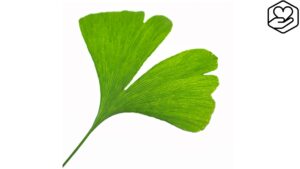
1. Ginkgo Biloba – The Most Researched Cognitive Herb
Scientific Evidence:
- Study: 2009 Cochrane Review of 85 trials (3,600+ participants)
- Results: 25% improvement in cognitive function scores
- Mechanism: Increases cerebral blood flow, antioxidant protection
- Dosage: 120-240mg daily (standardized 24% flavone glycosides)
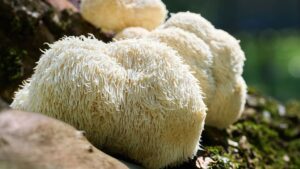
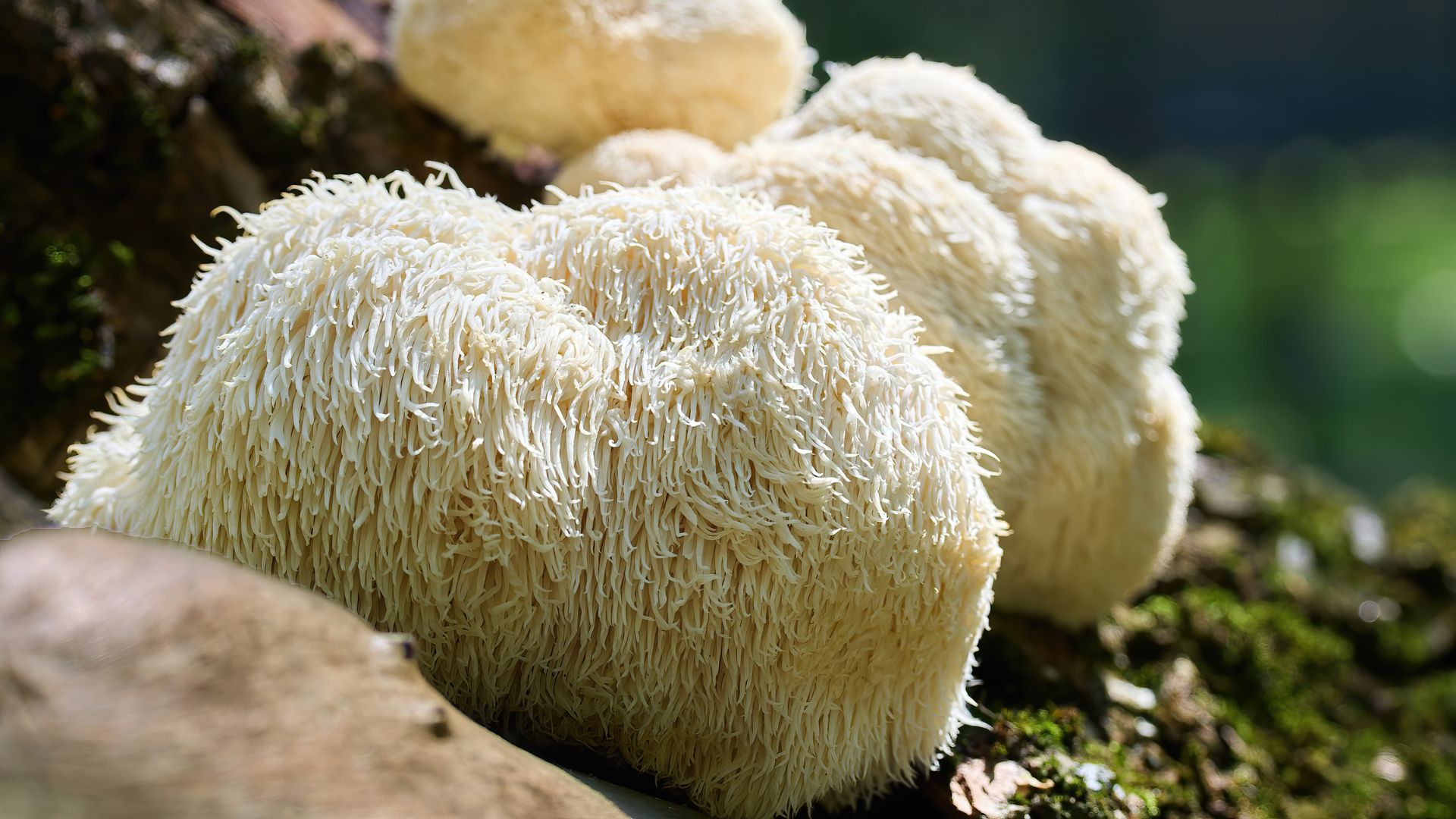
2. Lion’s Mane Mushroom (Hericium erinaceus)
Scientific Evidence:
- Study: 2009 Japanese study (30 patients with mild cognitive impairment)
- Results: Significant cognitive improvement after 16 weeks
- Mechanism: Stimulates nerve growth factor (NGF) production
- Dosage: 1-3g daily or 500mg extract 2-3 times daily
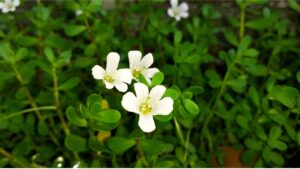
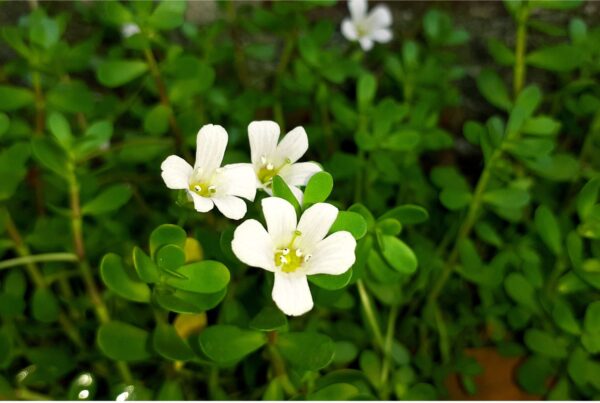
3. Bacopa Monnieri
Scientific Evidence:
- Study: 2001 Australian randomized controlled trial
- Results: 23% improvement in memory recall after 12 weeks
- Mechanism: Enhances neurotransmitter activity, neuroprotection
- Dosage: 300-600mg daily (standardized 50% bacosides)
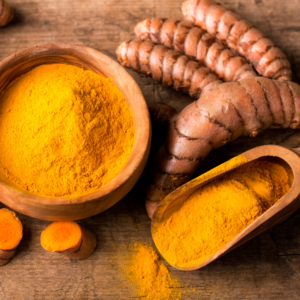
Turmeric is a strong antioxidant
4. Turmeric/Curcumin
Scientific Evidence:
- Study: 2018 randomized controlled trial (40 Alzheimer’s patients)
- Results: Improved cognitive function and reduced inflammation markers
- Mechanism: Anti-inflammatory, antioxidant, amyloid plaque reduction
- Dosage: 500-1000mg curcumin with piperine for absorption
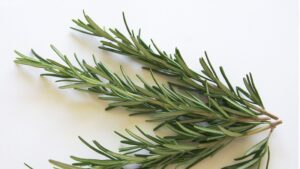
5. Rosemary (Rosmarinus officinalis)
Scientific Evidence:
- Study: 2012 UK study on rosemary essential oil inhalation
- Results: 15% improvement in memory and alertness
- Mechanism: Acetylcholinesterase inhibition (similar to Alzheimer’s drugs)
- Dosage: 500-1000mg extract or aromatherapy use
The “Triple-Action Cognitive Support Protocol”
Morning Ritual (7:00-8:00 AM)
1. Brain-Boosting Herbal Tea Blend (15 minutes)
- 1 tsp dried Ginkgo biloba leaves
- 1/2 tsp dried Rosemary leaves
- 1/4 tsp dried Lemon Balm
- 2 cups hot water
- Steep 10 minutes, strain, add raw honey
2. Lion’s Mane Mushroom Supplement
- 500mg standardized extract with breakfast
- Take with healthy fat (walnuts, avocado) for absorption
Midday Support (12:00-1:00 PM)
3. Turmeric Golden Brain Elixir
- 1 tsp turmeric powder
- 1/4 tsp black pepper (piperine for absorption)
- 1 cup warm coconut milk or almond milk
- 1 tsp coconut oil or MCT oil
- Pinch of cinnamon
- Blend and consume with lunch
Evening Protocol (6:00-7:00 PM)
4. Bacopa Memory Support
- 300mg standardized Bacopa extract with dinner
- Take consistently at same time daily
5. Aromatherapy Session (15 minutes)
- Diffuse Rosemary essential oil
- Or place 2 drops on tissue near sleeping area
- Or add to warm bath with Epsom salts
Weekly Enhancement:
6. Mediterranean Diet Integration
- Daily: 1 oz walnuts (omega-3s for brain health)
- Daily: 2 tbsp extra virgin olive oil
- Weekly: 2-3 servings fatty fish (salmon, sardines)
Scientific Mechanisms of Action:
Neuroprotection:
- Antioxidant Defense: Ginkgo and Turmeric neutralize free radicals
- Anti-inflammatory Response: Curcumin reduces brain inflammation
- Cell Membrane Support: Omega-3 fatty acids maintain neural integrity
Neurotransmitter Support:
- Acetylcholine Enhancement: Rosemary inhibits breakdown
- Memory Consolidation: Bacopa improves information processing
- Mood Stabilization: Ginkgo and Rosemary reduce anxiety
Circulation Improvement:
- Cerebral Blood Flow: Ginkgo increases oxygen delivery to brain
- Capillary Health: Long-term use strengthens brain vasculature
- Metabolic Support: Improved glucose utilization by brain cells
Expected Timeline and Results:
Weeks 1-4:
- Subtle improvements in alertness
- Better sleep quality
- Reduced mental fatigue
Months 1-3:
- Noticeable memory improvements
- Enhanced word-finding ability
- Better focus and concentration
Months 3-6:
- Significant cognitive function improvements
- Enhanced daily living activities
- Better emotional regulation
Long-term (6+ months):
- Slowed cognitive decline progression
- Improved quality of life
- Enhanced caregiver satisfaction
Critical Safety Precautions and Contraindications:
⚠️ MAJOR DRUG INTERACTIONS:
- Blood Thinners (Warfarin, Aspirin): Ginkgo increases bleeding risk
- Antidepressants: Potential serotonin syndrome with St. John’s Wort (avoid)
- Diabetes Medications: May lower blood sugar excessively
- Blood Pressure Medications: May cause hypotension
- Seizure Medications: Rosemary may lower seizure threshold
Medical Conditions to Monitor:
- Bleeding Disorders: Avoid Ginkgo, high-dose Turmeric
- Gallstones: Turmeric may worsen symptoms
- Pregnancy/Breastfeeding: Not recommended for elderly patients
- Severe Liver Disease: Metabolism concerns
- Heart Conditions: Monitor with healthcare provider
Dosage Safety Guidelines:
- Start Low, Go Slow: Begin with 1/2 recommended dose
- Monitor Closely: Watch for side effects
- Consistency Required: Daily use for 8-12 weeks minimum
- Quality Matters: Use standardized extracts from reputable brands
Side Effects to Watch For:
Mild Side Effects (Discontinue if persistent):
- Upset stomach or nausea
- Headache
- Dizziness
- Skin rash or allergic reactions
- Sleep disturbances
Serious Side Effects (Seek Medical Attention):
- Unusual bleeding or bruising
- Severe headache or dizziness
- Chest pain or irregular heartbeat
- Severe allergic reactions
- Worsening confusion or agitation
Quality and Sourcing Guidelines:
Essential Standards:
- Third-Party Testing: Verify purity and potency
- Standardized Extracts: Consistent active compound levels
- Organic Certification: Reduced pesticide exposure
- GMP Certified: Good Manufacturing Practices compliance
- Expiration Dates: Fresh products for maximum efficacy
Monitoring and Evaluation Protocol:
Monthly Self-Assessment:
- Memory recall tests
- Daily activity tracking
- Mood and energy levels
- Sleep quality assessment
Quarterly Healthcare Review:
- Cognitive function screening
- Medication interaction check
- Blood work monitoring
- Side effect evaluation
Caregiver Implementation Guide:
Daily Support:
- Prepare herbal teas and supplements
- Monitor compliance and side effects
- Document cognitive changes
- Encourage social engagement
Weekly Tasks:
- Grocery shopping for brain-healthy foods
- Prepare Mediterranean diet meals
- Facilitate aromatherapy sessions
- Track progress and setbacks
Cost-Effective Alternatives:
Budget-Friendly Options:
- Fresh Herbs: Grow rosemary and use fresh
- Bulk Purchasing: Buy supplements in larger quantities
- Combination Products: Multi-herb cognitive formulas
- Food Integration: Add turmeric to regular cooking
DIY Preparation:
- Herbal Tea Blends: Mix dried herbs at home
- Golden Milk Paste: Make turmeric paste in batches
- Aromatherapy Blends: Create custom essential oil mixes
Research Limitations and Realistic Expectations:
Important Considerations:
- Not a Cure: Natural remedies slow progression, don’t reverse dementia
- Individual Variation: Results vary significantly between patients
- Stage Matters: Earlier intervention shows better results
- Complementary Approach: Should not replace conventional medical care
- Long-term Commitment: Benefits require consistent, long-term use
Success Story Example:
“After 4 months of the Triple-Action Protocol, my 72-year-old mother showed remarkable improvement in remembering family names and following conversations. While she still has good and bad days, the overall trajectory has definitely improved, and our family feels more hopeful about her quality of life.” – Sarah, Caregiver
Healthcare Provider Communication:
Essential Information to Share:
- Complete list of all herbs and supplements
- Dosages and timing
- Start date of natural protocol
- Any observed changes or side effects
- Current medications and medical conditions
Regular Check-ins:
- Monthly phone calls with healthcare team
- Quarterly comprehensive evaluations
- Immediate reporting of concerning symptoms
- Annual cognitive assessments
⚠️ CRITICAL DISCLAIMER: This natural remedy protocol should NEVER replace conventional medical treatment for dementia. Always consult with healthcare providers before starting any new supplement regimen, especially for individuals with serious medical conditions or those taking medications. Dementia is a progressive condition that requires professional medical supervision. Natural remedies may provide supportive benefits but are not substitutes for proven medical treatments.
The information provided is for educational purposes only and does not constitute medical advice. Individual results may vary, and some people may experience no benefits or adverse reactions.