
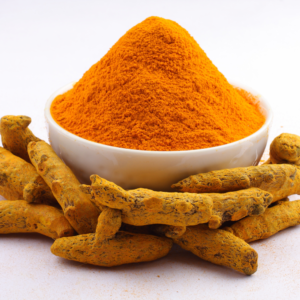
Incorporate turmeric in daily life.
Why Turmeric is #1 for Joint Pain:
Active Compound: Curcumin
Powerful anti-inflammatory properties
Natural COX-2 inhibitor (similar to NSAIDs but gentler)
Antioxidant effects that protect joint tissues
Scientific Backing:
Hundreds of studies supporting its effectiveness
Clinical trials show significant reduction in arthritis pain
Comparable results to some prescription anti-inflammatory drugs
Fewer side effects than traditional medications
How It Works:
Blocks inflammatory pathways in the body
Reduces C-reactive protein (marker of inflammation)
Helps maintain cartilage health
Supports joint lubrication
Popular Turmeric Formats:
1. Golden Milk/Turmeric Latte
1 tsp turmeric powder
Warm milk (dairy/plant-based)
Pinch of black pepper (increases absorption by 2000%)
Honey or ginger for taste
2. Turmeric Supplements
Standardized curcumin extract (500-1000mg daily)
Often combined with piperine (black pepper extract)
Capsules or tablets
3. Turmeric Tea
Fresh turmeric root or powder
Hot water
Lemon and honey
Steep 10-15 minutes
4. Topical Applications
Turmeric paste for direct joint application
Anti-inflammatory creams with turmeric
Warm compress with turmeric infusion
Other Highly Popular Natural Remedies:
#2: Ginger
Similar anti-inflammatory compounds
Can be consumed fresh, powdered, or as tea
#3: Omega-3 Fatty Acids
Fish oil or flaxseed oil
Reduce inflammatory response
#4: Epsom Salt Baths
Magnesium sulfate absorption through skin
Muscle relaxation and pain relief
#5: Heat/Cold Therapy
Ginger compresses
Ice packs for acute inflammation
Heating pads for stiffness
Safety Notes:
Consult healthcare provider before starting
May interact with blood thinners
Possible stomach upset in high doses
Not recommended during pregnancy
Turmeric remains the most widely researched and popular natural joint pain remedy due to its proven effectiveness and minimal side effects.